
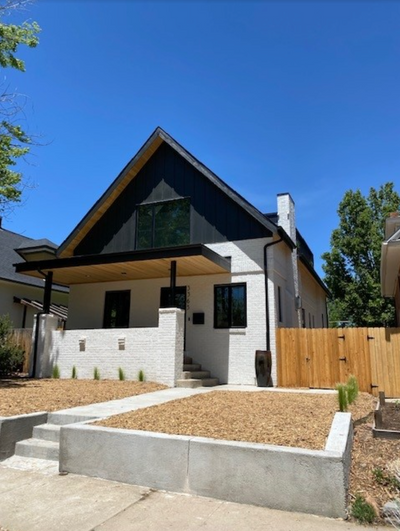
When it comes to building a home, most people focus on floor plans, aesthetics, and finishes — the visible details that bring comfort and personality to a space. But there’s something far more critical behind the walls: structural design. The integrity of a home starts with a well-thought-out structure. It’s what ensures the building stands strong against time, weather, and wear.
Whether you’re a homeowner planning a custom build or a developer managing multiple units, understanding the core principles of structural design can help you make smarter, safer choices. Here are five essential considerations that shape the backbone of every well-built residential structure.
1. Foundation Design and Soil Conditions
The foundation is quite literally the base of any building — and if it’s not done right, everything else is at risk.
One of the first things structural engineers consider is the type of soil the house will sit on. Clay, sand, gravel, and rock all behave differently under pressure and when exposed to moisture. For instance, expansive clay soils swell when wet and shrink when dry, which can cause the foundation to shift or crack over time. Loose or sandy soils may not offer enough support, leading to settlement or uneven floors.
A geotechnical investigation is often required before construction begins. This soil test helps determine the best type of foundation for the site — whether it’s a slab-on-grade, crawlspace, or full basement. The depth of footings, the use of piers or piles, and the need for soil stabilization measures all hinge on this early assessment.
Ignoring the soil conditions can lead to expensive fixes down the line, including structural movement, water intrusion, or even total foundation failure.
2. Load Paths and Structural Integrity
In structural design, “loads†refer to the forces acting on a building. These include dead loads (the weight of the structure itself), live loads (occupants, furniture, snow), and lateral loads (wind and seismic forces). A well-designed structure creates clear and continuous load paths that direct these forces safely to the foundation.
This is where framing systems come into play. The beams, columns, joists, and walls work together to transfer weight down and out. If even one part of the system is misaligned, under-supported, or overloaded, it can create stress points that compromise the building’s stability.
For residential buildings, especially multi-story homes or those with open-concept layouts, it’s crucial to ensure that the load-bearing elements are properly placed. Removing a wall or placing large windows in the wrong location without reinforcement can lead to sagging floors or cracking drywall.
Structural engineers use advanced software and detailed calculations to model how loads will travel through the house, ensuring the design holds up under real-world conditions.
3. Material Selection and Compatibility
Choosing the right materials for a home isn’t just about aesthetics or budget. It also affects the structure’s strength, flexibility, and long-term durability.
Most residential buildings in North America are wood-framed, but steel, concrete, and engineered wood products like LVLs and glulam beams are becoming more common — especially in larger homes or custom designs. Each material has its strengths and weaknesses. Wood is versatile and affordable, but it’s susceptible to moisture and pests. Steel is incredibly strong and fire-resistant but can be prone to rust without proper treatment. Concrete offers excellent load-bearing capacity and sound insulation but requires skilled labor to pour and finish correctly.
In addition to selecting the right material, designers must ensure compatibility. Using dissimilar materials (like steel next to untreated wood) without proper separation can lead to corrosion, expansion, or structural failure.
Sustainability is also becoming a factor in material choices. More builders are turning to eco-friendly options like recycled steel, bamboo framing, or high-performance concrete mixes to reduce the environmental impact of new homes.
4. Environmental and Climatic Factors
A home’s structure must be tailored to the environment it lives in. The same design that works in Southern California might fail miserably in upstate New York.
Climate plays a major role in structural decisions. In hurricane-prone areas, reinforced roofing systems, wind bracing, and impact-resistant windows are essential. Homes in earthquake zones require flexible framing systems and shear walls that can absorb lateral forces without collapsing. In colder climates, snow loads need to be factored into roof design, and insulation must be integrated into the structure to prevent thermal bridging.
Moisture control is another key factor. Water is the enemy of buildings — it can lead to rot, mold, and weakened materials over time. Structural design must account for drainage, waterproofing, and vapor barriers to keep moisture out. This is especially critical in basements, crawlspaces, and roofs.
By understanding the specific environmental challenges of a location, structural designers can create homes that last longer, perform better, and require fewer repairs over time.
5. Future Modifications and Load Flexibility
Good structural design isn’t just about today’s needs — it also anticipates the future.
Modern homeowners expect flexibility in how they use their space. Maybe they want to knock down a wall one day to open up the kitchen. Maybe they’ll finish the basement next year or add a second story five years from now. A well-thought-out structure allows for those changes without compromising safety.
This starts with identifying which walls are load-bearing and which aren’t. Designers can include extra support beams or floor trusses to create larger open spaces or accommodate future renovations. In some cases, they might overdesign key structural elements so they can handle additional loads later on.
Accessibility is another forward-thinking consideration. Structural provisions for wider doorways, stair lifts, or even residential elevators are becoming more common as more homeowners plan to age in place.
Ultimately, homes that are structurally flexible are more livable, more valuable, and more resilient to change — whether that change comes from the family living inside or from the forces of nature outside.
Structural design might not be the flashiest part of building a home, but it’s undoubtedly one of the most important. It’s the framework that makes everything else possible — from the beautiful open-concept kitchen to the cozy second-floor bedrooms. Without a strong foundation and a thoughtful structural plan, even the most stunning home design can crumble under pressure.