
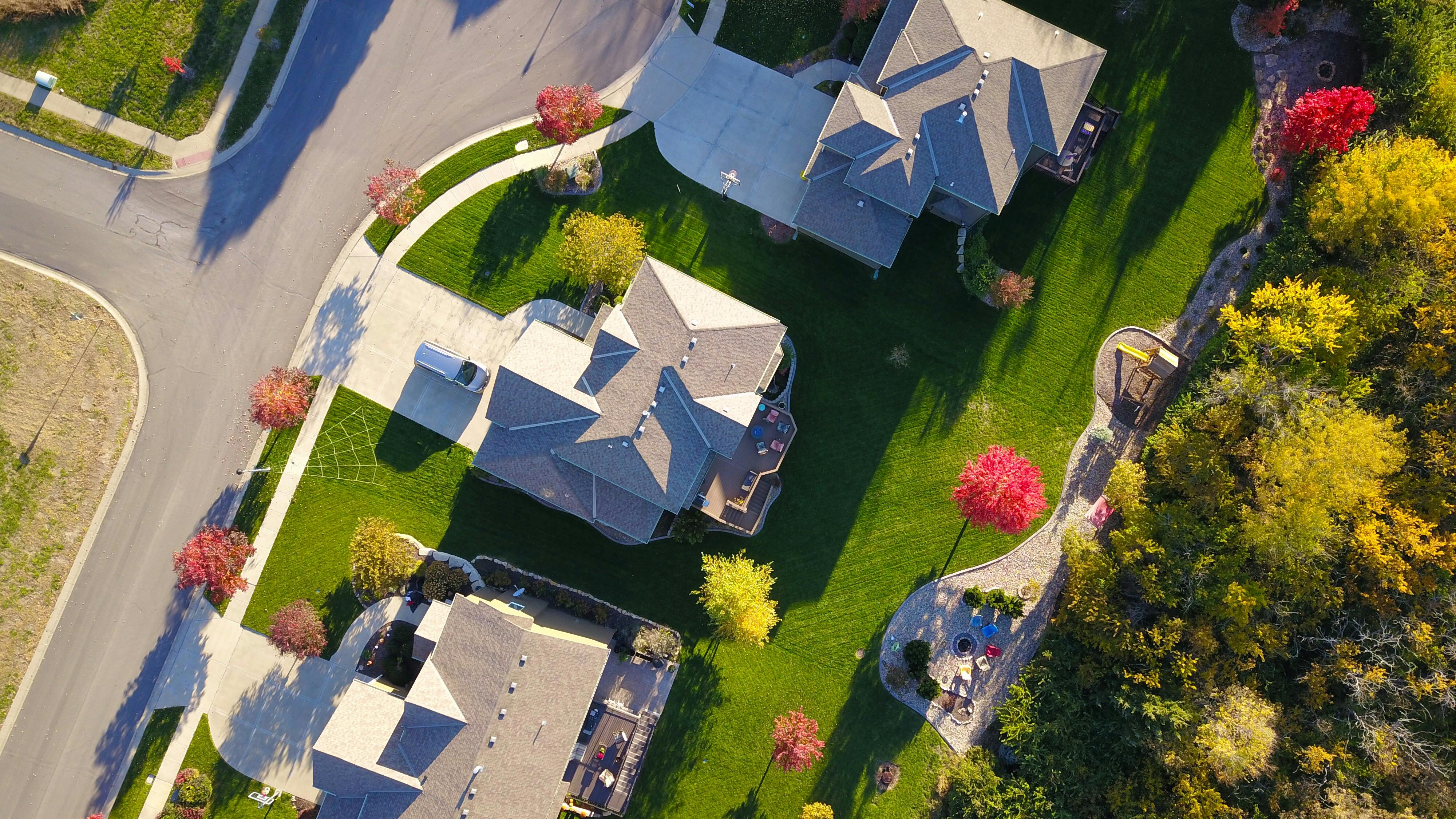
Deciding between renovating an existing home and building a new one is a major choice that impacts your lifestyle, budget, and long-term satisfaction. Both options have unique benefits and challenges, making it essential to weigh them carefully before making a decision.
Before diving into the specifics of renovation or new construction, start by evaluating your needs. Are you looking for more space, modern amenities, or a completely new aesthetic? Do you want to preserve historical charm, or are you drawn to the idea of designing a custom home from scratch?
Consider the following questions:
- Does your current home have a solid foundation and structural integrity?
- Are you satisfied with your home’s location, neighborhood, and proximity to work or schools?
- Do you have the budget and patience for a full-scale renovation or a new build?
Your answers will help guide you toward the right choice.
The Pros and Cons of Home Renovation
Renovating an existing home can be a great option if you love your neighborhood but need upgrades to enhance functionality and style.
Pros:
- Preserves Location & Character: If you already love your home’s location and history, a renovation allows you to keep those aspects intact while making modern improvements.
- Potential Cost Savings: In some cases, renovations can be more cost-effective than new construction, especially if structural work is minimal.
- Faster Completion Time: Depending on the project’s scope, renovations can often be completed more quickly than building a home from the ground up.
- Less Disruptive to Community: Staying in the same neighborhood means maintaining established relationships and routines.
Cons:
- Unforeseen Costs & Delays: Older homes can have hidden issues like outdated wiring, plumbing problems, or structural weaknesses that can lead to unexpected expenses.
- Limited Design Flexibility: Working within an existing structure can restrict layout changes and modernization efforts.
- Temporary Disruptions: Depending on the extent of the renovation, you may need to temporarily relocate or deal with the inconvenience of construction work inside your home.
The Pros and Cons of New Construction
Building a new home offers a fresh start with full control over the design, materials, and layout. However, it also requires more time, planning, and budget considerations.
Pros:
- Complete Customization: A new build allows you to design your home exactly the way you want it, incorporating modern features, smart home technology, and energy-efficient materials.
- Fewer Maintenance Issues: Everything is brand new, reducing the need for major repairs and maintenance in the short term.
- Energy Efficiency: New homes can be designed with the latest energy-efficient materials and technology, which can lower utility costs over time.
- Compliance with Modern Building Codes: New construction ensures compliance with the latest safety regulations and building standards.
Cons:
- Higher Upfront Costs: New construction is generally more expensive than renovations due to land acquisition, materials, labor, and permitting costs.
- Longer Timelines: The process of designing, permitting, and building a new home can take months or even years.
- Finding the Right Location: If you love your current neighborhood, moving to a new location may mean adjusting to a different community, schools, and amenities.
- More Decision-Making Stress: From choosing floor plans to selecting finishes, new construction requires extensive planning and decision-making.
Cost Considerations
The cost of renovating vs. building new varies widely based on factors like location, labor rates, materials, and the complexity of the project.
Home Renovation Costs:
- Minor renovations (e.g., kitchen or bathroom updates) can range from $10,000 to $50,000.
- Major remodels (e.g., adding rooms, full home renovation) can cost $100,000 or more.
- Historic home renovations may have additional costs due to preservation requirements and specialized labor.
New Construction Costs:
- The average cost of building a new home ranges from $150 to $500 per square foot, depending on location and design complexity.
- Additional costs include purchasing land, site preparation, and permitting fees.
- Custom-built homes tend to be more expensive than pre-designed or modular homes.
Timeframe and Logistics: The time commitment for both renovation and new construction is another crucial factor.
- Renovations can take anywhere from a few weeks to several months, depending on the scope of work.
- New construction often takes 6-18 months from start to finish, considering planning, permitting, and building phases.
- Renovation projects can sometimes be completed in stages, whereas new construction requires full commitment upfront.
Resale Value Considerations: If you plan to sell your home in the future, consider how each option will affect resale value.
- Well-executed renovations can increase a home’s market value, particularly if they focus on high-return areas like kitchens, bathrooms, and curb appeal.
- A brand-new home typically attracts buyers looking for modern amenities and move-in-ready properties, but location remains a critical factor in resale potential.
Making the Right Decision
So, should you renovate or build new? Choose renovation if you love your current home’s location, want to preserve its character, and prefer a potentially lower-cost update. Opt for new construction if you want full control over design, need a home that meets modern standards, and are prepared for a longer timeline and higher upfront costs.
Both options offer unique benefits, and the right choice depends on your personal preferences, budget, and long-term goals. Weigh the pros and cons carefully, consult with professionals, and make a choice that best fits your lifestyle and financial situation.