
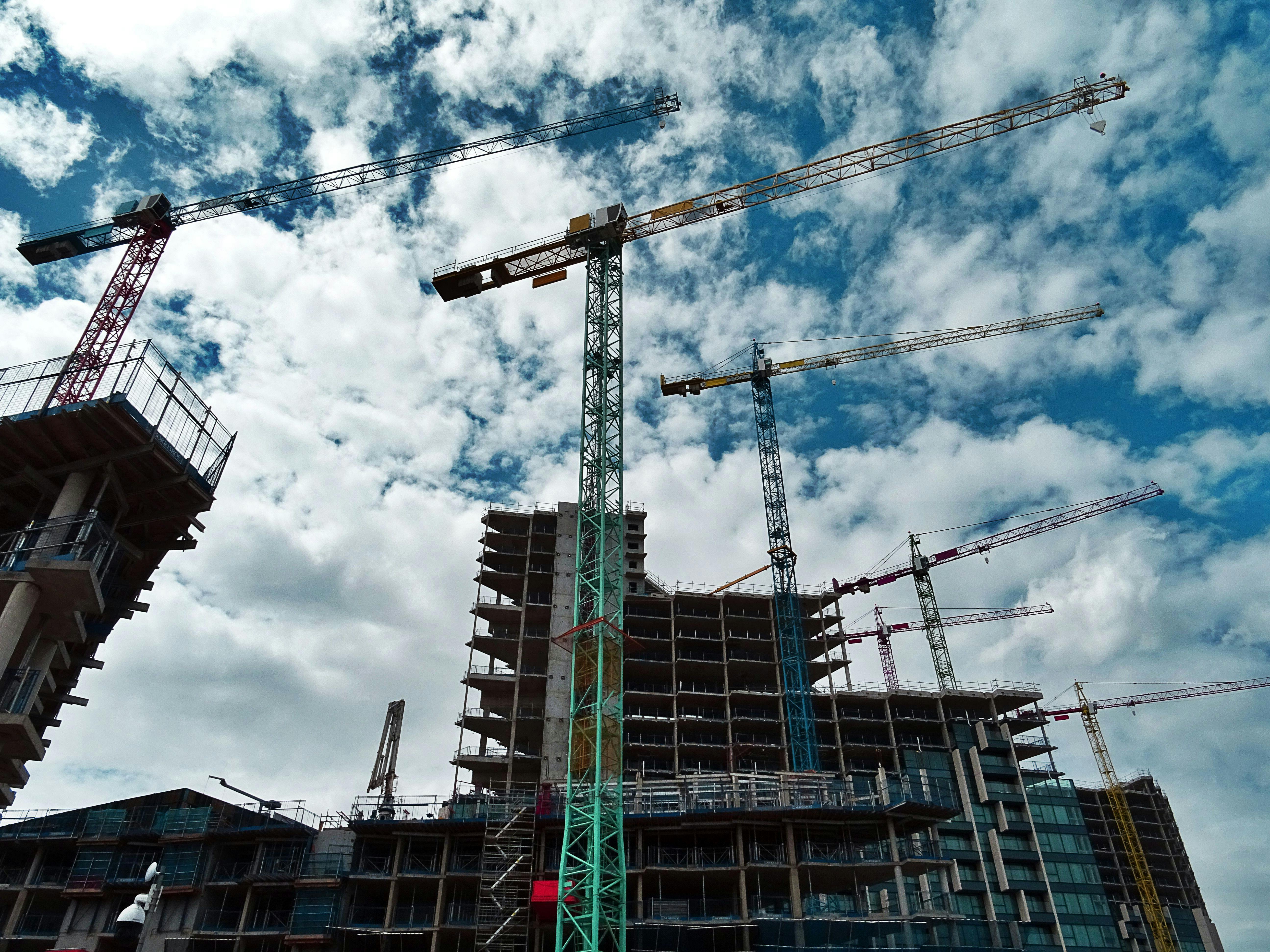
The construction industry has never stood still. Advancements in technology have continually reshaped the way construction projects are designed, managed, and executed. Today, we’re watching a range of new construction technology innovations that promise to redefine the future of construction and what is possible with built structures. For construction professionals, real estate agents, and even prospective home buyers, understanding these trends is essential. The integration of innovative tools and technologies is not just improving efficiency and precision but also paving the way for sustainable, cost-effective, and future-ready construction practices.Â
Building Information Modeling (BIM)
At the core of modern construction technology lies the concept of Building Information Modeling (BIM). BIM is a digital representation of a building’s physical and functional characteristics, essentially creating a collaborative platform for architects, engineers, contractors, and stakeholders.Â
The benefits?
- Enhanced Collaboration: BIM breaks down silos, enabling real-time data sharing among all project participants.Â
- Improved Visualization: With 3D, 4D (adding time), and even 5D (considering cost) modeling, project stakeholders gain a more comprehensive understanding of the project.Â
- Minimized Errors: By identifying conflicts or design flaws early in the planning stages, BIM reduces costly errors during the construction phase.Â
This shift toward digital design is no longer optional—it’s fast becoming the standard in the construction industry. For real estate agents, this means quicker turnaround times on new builds, while home buyers can expect fewer surprise delays.
Green Building Technologies and Sustainability
Sustainability is no longer a buzzword—it’s an industry imperative. The demand for environmentally friendly construction practices has driven significant innovation in green building and other construction technology.Â
Some of the most notable advancements include:
- Energy-efficient Materials: From solar roofing materials to advanced insulation products, sustainable materials are reducing buildings’ carbon footprints.Â
- Smart Systems: Sensors and IoT-enabled HVAC systems optimize energy usage and provide real-time analytics on a building’s performance.Â
- Recycled Building Materials: Innovations such as concrete made from CO2 or repurposed materials reduce waste while maintaining structural integrity.Â
For home buyers, green technologies not only align with environmental values but also translate to lowered utility costs and improved resale value. Real estate agents should anticipate increased demand for homes featuring these sustainable solutions.
3D Printing in Construction
One of the most exciting developments in recent years is the use of 3D printing for constructing everything from homes to office buildings. While the technology is still maturing, its potential is game-changing.
- Customization: 3D printing enables highly customized designs to meet specific architectural requirements.Â
- Speed: Buildings that typically take months to construct can be fabricated in days using large-scale 3D printers.Â
- Affordability: Costs are significantly reduced by cutting down on labor and material waste.Â
For low-income housing solutions or disaster relief, 3D printing promises to provide an affordable and efficient way to deliver quickly-constructed homes. It’s a potential win-win for developers, city planners, and communities in need.
Artificial Intelligence (AI) and Predictive Analytics
AI and machine learning are revolutionizing the way construction projects are planned and executed. By analyzing historical data and real-time inputs, AI can identify patterns and predict future outcomes.
- Risk Mitigation: AI algorithms assess and flag potential risks, such as safety hazards or budget overruns, before they become real issues.Â
- Streamlined Scheduling: Predictive analytics ensure that every resource—be it materials, labor, or time—is optimized for maximum efficiency.Â
- Quality Control: AI-driven tools maintain construction quality, catching inconsistencies in materials or errors in design that humans might miss.Â
For construction professionals, AI reduces uncertainty and creates actionable solutions for nearly every phase of a project. For home buyers, this translates to fewer surprises and a more transparent construction process.
Smart Cities and Connected Infrastructure
Construction isn’t just about individual buildings anymore; it’s increasingly about creating interconnected ecosystems. The rise of smart cities is giving rise to new opportunities in construction technology.
- IoT Integration: Buildings outfitted with IoT-enabled sensors communicate with each other, creating smarter, safer, and more efficient urban environments.Â
- Data-driven Urban Planning: With the help of AI and BIM, planners can design cities that optimize space, transportation, and resources.Â
- Renewable Energy Networks: From solar grids to wind-powered systems, construction technologies are laying the groundwork for sustainable cities of the future.Â
This holistic approach benefits not only real estate professionals looking to attract buyers with state-of-the-art properties but also home buyers aiming for a more integrated, tech-enabled living environment.
Augmented Reality (AR) and Virtual Reality (VR)
The construction industry is also leveraging AR and VR for better planning, training, and visualization. These tools are invaluable in bridging the gap between technical construction processes and accessible understanding for stakeholders.
- Project Visualization: VR tours allow architects and clients to experience a construction project in a virtual setting before it’s built.Â
- On-Site Training: AR provides real-time instruction to workers, significantly improving training processes.Â
- Enhanced Client Engagement: AR tools make it possible to overlay digital plans onto physical sites, helping clients visualize final results.Â
For real estate professionals, AR and VR present excellent tools for showcasing properties—whether under construction or move-in ready—helping prospective buyers visualize their future homes.
For construction professionals, these advancements promise safer, faster, and more efficient workflows. For home buyers, they offer higher-quality homes tailored to individual preferences with a focus on sustainability. And for real estate agents, these technologies herald opportunities to represent smarter, greener, and more marketable properties.