
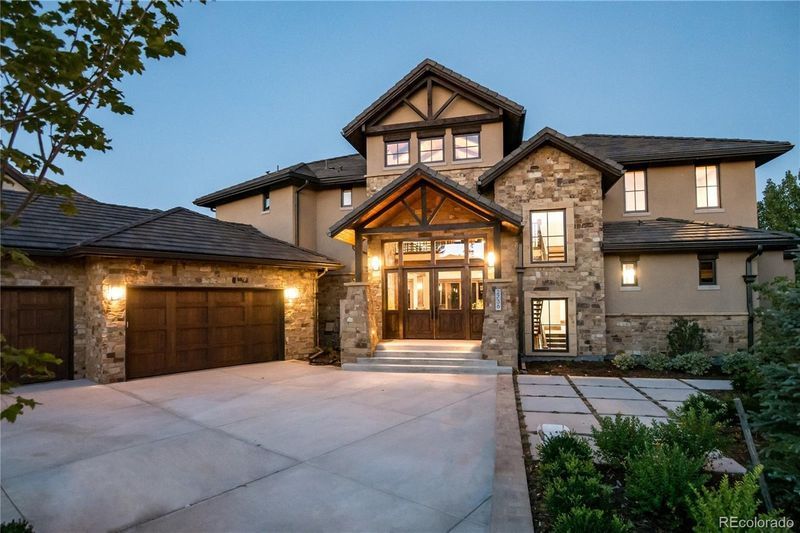
The world of home design is ever-evolving, with trends shifting as rapidly as technology and lifestyle preferences change. As we approach 2025, homeowners, architects, construction experts, engineers, and real estate professionals are all keenly observing emerging trends that will shape the future of residential spaces. Here’s a closer look at the top trends in home design that everyone is talking about and what they mean for the industry.
1. Sustainable and Eco-Friendly Design
Environmental consciousness is no longer just a buzzword; it’s a driving force in home design. Homeowners are increasingly prioritizing sustainability, seeking materials and building methods that reduce their carbon footprint. Expect to see more homes constructed from recycled materials, designed to maximize energy efficiency.
- Solar Energy Integration: Solar panels are becoming not just an add-on but a standard feature, with innovative designs enhancing aesthetic appeal.
- Green Roofs and Walls: These not only improve insulation but also offer aesthetic and environmental benefits.
- Sustainable Materials: Bamboo, reclaimed wood, and recycled steel are popular choices for eco-conscious homeowners.
2. Smart Home Technology
As our lives become more intertwined with technology, smart homes are transitioning from novelty to necessity. Homeowners are looking for seamless integration of technology that enhances convenience, security, and efficiency.
- Voice-Controlled Systems: From lighting to temperature control, voice assistants are managing more aspects of the home environment.
- Advanced Security Systems: Facial recognition and remote monitoring are raising the bar for home security.
- Smart Kitchens: Smart appliances that automate cooking and manage grocery inventory are becoming commonplace.
3. Multi-Functional Spaces
In an age where working from home is the new normal, multi-functional spaces are gaining traction. Homes are being designed with flexibility in mind, allowing spaces to serve multiple purposes.
- Home Offices: Dedicated workspaces with soundproofing and ergonomic furniture are essential for productivity.
- Flexible Living Areas: Open floor plans that can be easily reconfigured are highly sought after.
- Convertible Rooms: Guest bedrooms that double as exercise studios or home theaters are in demand.
4. Biophilic Design
Biophilic design, which seeks to connect occupants more closely with nature, is making waves in home design. This trend is not just about aesthetics but improving well-being and reducing stress.
- Natural Light Maximization: Larger windows and skylights are used to flood interiors with natural light.
- Indoor Plants and Gardens: Integrated plant walls and indoor gardens bring nature directly into living spaces.
- Natural Materials and Textures: Stone, wood, and water features are used to mimic outdoor environments.
5. Minimalism and Modern Aesthetics
Minimalism continues to influence home design, with homeowners favoring clean lines, uncluttered spaces, and a focus on functionality.
- Neutral Color Palettes: Whites, grays, and earth tones create a calming backdrop.
- Streamlined Furniture: Pieces that combine form and function without unnecessary embellishments.
- Open Spaces: Rooms that promote flow and reduce visual clutter.
6. Wellness-Oriented Design
Health and wellness have become central to home design, with spaces being created to enhance physical and mental well-being.
- Home Gyms: Fully equipped exercise spaces tailored to individual fitness regimes.
- Spa-Like Bathrooms: Luxurious bathrooms with features like saunas, steam showers, and soaking tubs.
- Air and Water Quality Systems: Advanced filters and purification systems ensure a healthy home environment.
7. Personalized and Unique Spaces
While trends provide a framework, personalization is key in modern home design. Homeowners want spaces that reflect their individuality and lifestyle.
- Custom Built-Ins: Tailored storage solutions that fit specific needs and preferences.
- Art and Collectibles Display: Spaces designed to showcase personal art collections and memorabilia.
- Unique Architectural Features: Custom staircases, creative use of space, and unconventional layouts.
How These Trends Affect the Industry
For architects, construction experts, engineers, and real estate professionals, staying ahead of these trends is crucial. Understanding what homeowners are prioritizing in 2025 can guide design decisions, construction techniques, and marketing strategies. Here’s how these trends can impact various stakeholders:
- Architects will need to integrate these trends into their designs, balancing aesthetics with functionality and sustainability.
- Construction professionals will encounter new materials and technologies, requiring up-to-date knowledge and skills.
- Engineers will play a crucial role in implementing technology and ensuring energy efficiency and sustainability.
- Real estate professionals will benefit from understanding these trends to better market properties and meet buyer expectations.
In 2025, the home design landscape will be shaped by a blend of technology, sustainability, and personalized elements. For homeowners, these trends offer opportunities to create living spaces that are not only stylish but also functional and environment-friendly. For industry professionals, these insights will help craft homes that meet contemporary demands and foster thriving communities.
Whether you’re planning a renovation or starting from scratch, consider these trends to create a home that’s ahead of the curve. Stay informed, stay inspired, and most importantly, make choices that reflect your values and lifestyle.