
Colorado’s dramatic landscapes, extreme weather fluctuations, and unique soil conditions create a perfect storm for structural challenges that homeowners and buyers should not overlook. Factors such as expansive clay soils, heavy snow loads, and shifting moisture conditions can all impact a building’s structural integrity over time. Even well-built homes can develop issues if these environmental conditions are not properly considered during construction or maintenance.
Whether you’re purchasing your first home in Denver, a mountain cabin in Summit County, or a rural property on the Eastern Plains, understanding these common structural concerns can help you make informed decisions, avoid costly repairs, and protect the long-term safety and value of your investment.
Foundation Problems from Expansive Soils
Perhaps no structural issue is more uniquely associated with Colorado than the damage caused by expansive clay soils. Found throughout the Denver metro area, Colorado Springs, Pueblo, and many Front Range communities, these clay-heavy soils absorb moisture and swell dramatically, sometimes expanding up to 10% in volume.
When the soil expands beneath a foundation, it can push the structure upward. When it dries and contracts, the foundation settles unevenly. This cycle of heaving and settling creates cracks in foundations, floors, and walls that can compromise the entire structural integrity of a home.
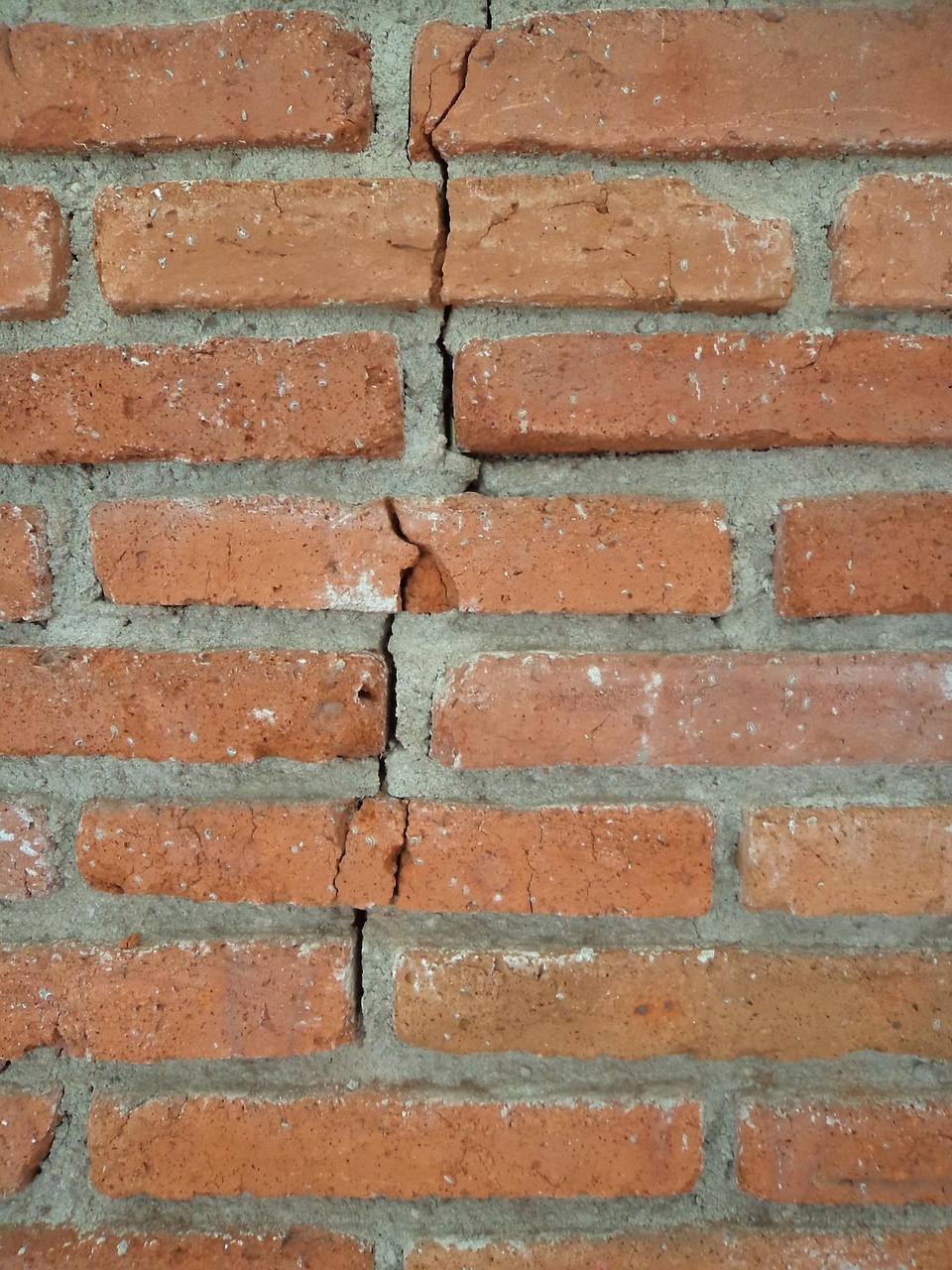
Warning signs include stair-step cracks in brick or masonry, diagonal cracks radiating from corners of doors and windows, doors and windows that stick or no longer close properly, and visible gaps between walls and ceilings or floors. A thorough foundation inspection are essential before purchasing any property in areas with known expansive soil.
Snow Load and Roof Structural Failure
Colorado’s famous snowfall is beautiful, until it accumulates on an aging or improperly designed roof. Mountain communities can receive 300 or more inches of snow per year, and even the Denver metro area can experience heavy, wet spring snowstorms that deposit enormous weight in a matter of hours.
Roofs that were not engineered for proper snow loads, that have deteriorated over years of freeze-thaw cycles, or that have inadequate drainage can sag, develop structural cracks, or in extreme cases, partially collapse.
Homeowners in mountain areas should have their roofs inspected annually and after major snowstorms. Look for sagging ridgelines, bowed rafters visible from the attic, cracked or split roof decking, and ice damming along the eaves, which can force water under shingles and cause significant structural rot over time.
Freeze-Thaw Damage to Foundations and Masonry
Colorado experiences temperature swings that are among the most dramatic in the continental United States. It is not unusual for a single day to see temperatures rise from below zero in the early morning to well above 50°F by afternoon.
This relentless freeze-thaw cycling is brutal on concrete, masonry, and poured foundations. Water seeps into small cracks, freezes and expands, then thaws, slowly widening those cracks season after season.
Over time, this process — known as frost heave — can cause serious spalling in concrete, crumbling of brick mortar, and horizontal cracking in basement walls. Horizontal cracks, in particular, are a red flag that should prompt an immediate structural engineering consultation, as they can indicate lateral soil pressure bowing the wall inward.
Drainage and Water Intrusion
Despite its reputation as a dry, sunny state, Colorado sees intense localized rainfall, particularly during the summer monsoon season along the Front Range.
Properties with improper grading that slopes toward the foundation, inadequate gutters and downspouts, or failed waterproofing systems are at serious risk of water infiltration. Chronic moisture in basements and crawl spaces leads to wood rot, mold growth, deterioration of structural framing members, and undermining of foundation footings.
Buyers should be especially cautious with homes built on hillsides or at the base of slopes, where drainage from surrounding terrain can direct large volumes of water toward the structure. Interior basement waterproofing systems, sump pumps, and exterior French drains are common remediation measures, but addressing the underlying grading and drainage issues is always the most effective long-term solution.
Structural Issues in Older and Historic Homes
Colorado’s mining boom towns such as Leadville, Silverton, Central City, and Cripple Creek are home to beautiful Victorian-era properties, many of which are over 130 years old. Denver’s historic neighborhoods similarly contain large stocks of late 19th- and early 20th-century housing.
White beautiful, these older structures often present unique structural concerns: construction that lacks modern fire blocking, deteriorated masonry chimneys that have shifted off their foundations, sagging floor systems with weakened joists, and outmoded post-and-beam foundations that have settled over a century of use.
If you are considering a historic Colorado property, engaging a structural engineer with experience in older construction methods is strongly recommended before purchase.
Radon and Below-Grade Air Quality Concerns
While not a structural issue in the traditional sense, radon is worth addressing here because it is closely tied to a home’s foundation and below-grade construction. Colorado has some of the highest radon levels in the nation, owing to the uranium-rich granite bedrock underlying much of the state.
Radon enters homes through cracks in foundations, slab penetrations, and through porous concrete block walls, the same pathways that allow water and structural degradation. Any cracks or gaps in below-grade structures that are left unaddressed create entry points for this colorless, odorless carcinogen.
Radon testing and mitigation are standard practice, and often legally required, in Colorado real estate transactions.
The best defense against Colorado’s structural challenges is a thorough, professionally conducted inspection before purchasing any property. A standard home inspection is a good starting point, but given the state’s unique conditions, many buyers also commission a separate structural engineering report, a geotechnical soil assessment for properties in expansive soil zones, and specific evaluations of roofing systems in high-snow areas.
For existing homeowners, proactive maintenance is essential. Keep gutters clear and downspouts directed away from the foundation, monitor basement and crawl space moisture levels year-round, inspect your roof after significant snow events, and watch for new cracks or changes in door and window operation, the earliest warning signs that something may be shifting beneath your feet.
Colorado is a spectacular place to own property, but it rewards homeowners who go in with eyes open and maintain their homes with the vigilance that this demanding climate requires.