
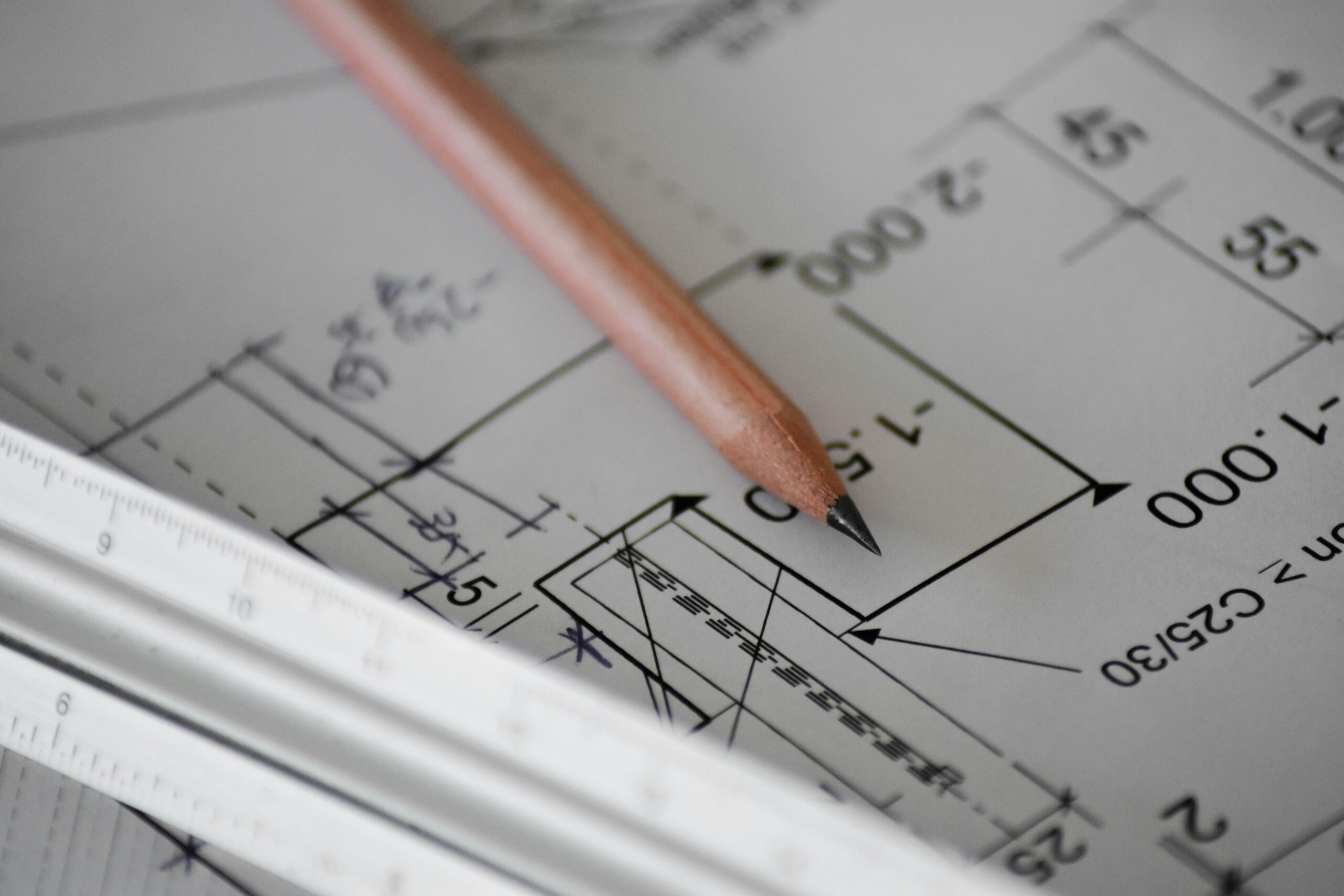
Design engineers are the quiet problem-solvers who make sure your big ideas don’t turn into big mistakes. They’re the ones who turn dreams into safe, buildable plans—whether you’re remodeling a kitchen or adding a whole new wing to your house.
So, when exactly do you need one? Here are a few moments when calling a design engineer can save you serious stress (and money).
Opening Up a Wall
Thinking about knocking down a wall for that open-concept vibe? Stop right there. Some walls hold up more than just drywall—they carry the weight of your house.
A design engineer can tell you if a wall is load-bearing, and if it is, they’ll design the right beam or header to take the load safely. That way, you get your airy space without risking a sagging ceiling or worse.
Adding Space
New deck? Extra bedroom? Second story? All of these change how weight moves through your building. Done wrong, you could end up with cracks, uneven floors, or long-term damage.
An engineer’s job is to make sure the new and old work together seamlessly. They calculate loads, design supports, and give your contractor the green light to build with confidence.
Getting a Permit
Here’s the not-so-fun part: most cities won’t let you touch major structural work without engineered drawings. Inspectors want to see the math before they approve your plans.
That’s where a design engineer steps in. They provide the stamped drawings, calculations, and details that keep your project moving through the permitting process instead of stuck in paperwork limbo.
Spotting Red Flags
Cracks in your basement walls. Doors that don’t shut. Floors that slope a little too much. These might seem small, but they could be signs of bigger problems lurking in your structure.
A design engineer can figure out whether it’s just cosmetic or something more serious. Better yet, they’ll tell you how to fix it before it turns into an expensive repair.
Avoiding Surprises
Even when everything looks fine, an engineer can save you money and headaches. They know how to optimize materials, reduce waste, and prevent mid-construction “uh-oh” moments.
Think of it as insurance for your project: fewer surprises, fewer delays, and a stronger end result.
Not every project needs an engineer. Painting a room? You’re good. Swapping cabinets? No problem. But if your project touches the bones of the structure—load-bearing walls, foundations, additions, or anything that changes how a building carries weight—it might be worth bringing one in. Because in the end, a contractor can swing the hammer and an architect can draw the dream, but it’s the engineer who keeps your house standing tall.